
Student-centered is an education buzzword if there ever was one. It finds itself in headlines, in teacher preparation programs, in administrator walkthrough forms, and in teacher evaluation rubrics. We talk about it at conferences, symposiums, and panels. We see funding initiatives around it and compliance requirements. In fact, I’d say it is so ubiquitous as a term that it has lost its meaning. Or perhaps better put, it is so ubiquitous that it can mean whatever we need it to mean in a given moment.
Well, I suppose this is our given moment. In our New Minimum Standard pledge, we write, “Student-Centered: Students leave class empowered and stronger than when they entered.” To us, then, a student-centered classroom is one where the end goal is student empowerment. One where students exhibit intellectual agency to inquire about interesting questions, pursue those answers, and learn how to do so in an integral way. Student-centered is human-centered, where the rights and responsibilities that make us human are prioritized. This makes supporting a student-centered classroom a civic imperative.

However, these attributes of a student-centered classroom do not always manifest themselves in the same way. In some cases they may mean clear individualization. In others, the teacher may lecture often. Some spaces may look collaborative and loud; others may look quiet and poised. Student-centered is much more attached to the ends, allowing for mass variability in the means. When educators seek to empower their students with the knowledge, skills, and dispositions that make them better people, equipped to engage in the world around them, they are student-centered teachers. We would be fools to think there is only one way to do this.
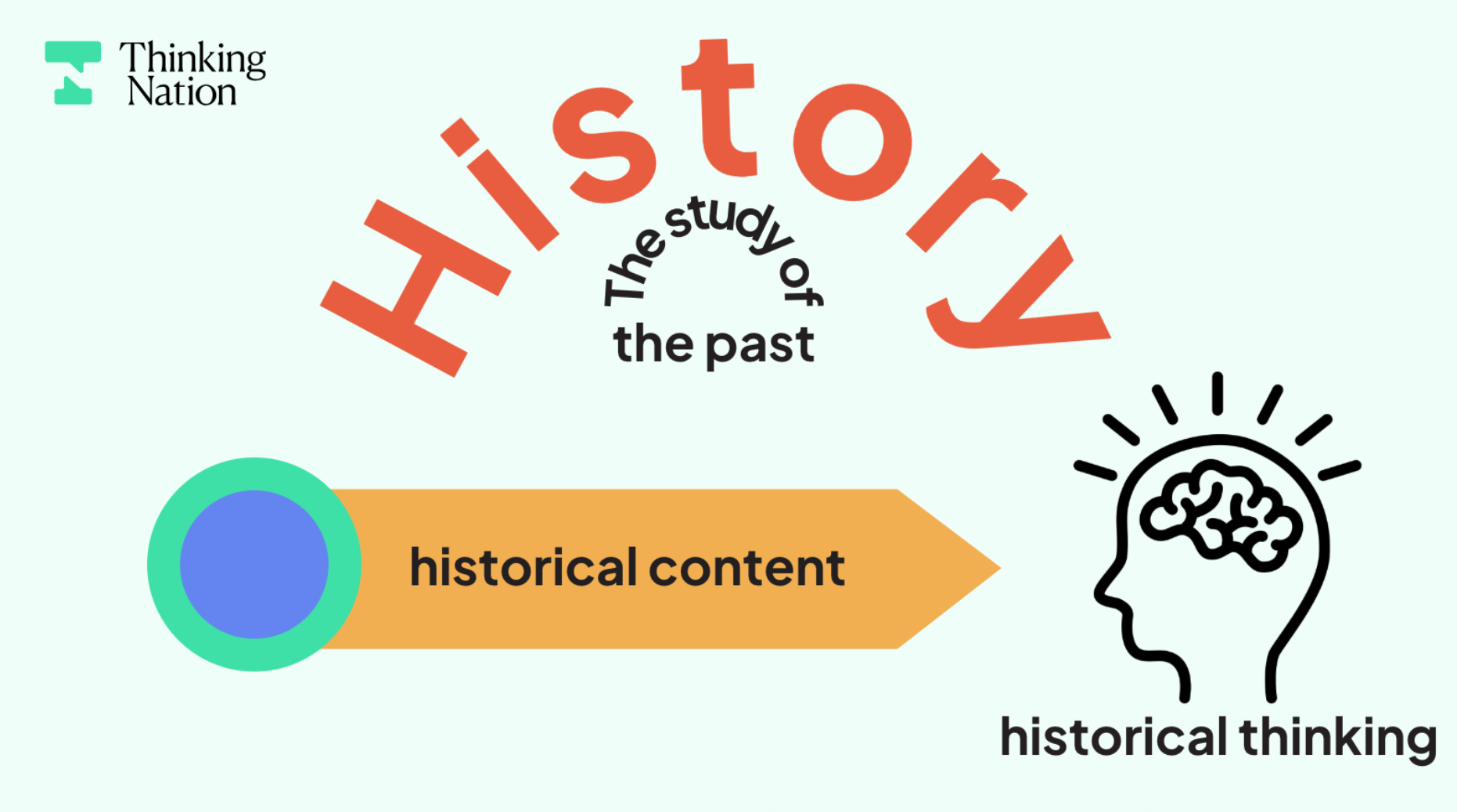
So what does this have to do with a new minimum standard in history education? Well, at its heart, the discipline of history is an investigative and interpretive discipline that centers the scholar as a humble inquisitor into the past. The historian seeks to understand. By asking questions of the past, the historian humbles herself, acknowledging that she doesn’t have all the answers. By pursuing those answers, however, she acknowledges that she is capable of finding them. It’s a confidence that avoids arrogance. It is an act of agency.
When this orientation toward the past is normalized in our classrooms, our students recognize the relational aspects of the study of the past. It is an ongoing dialogue. Sometimes, we are listeners, letting the past speak on its own terms. Other times we are contributors, adding to a body of scholarship on a particular subject. Sometimes we debate our peers because our interpretation of the evidence is different from theirs. Other times we reflect, sitting with hard truths or complex history. All of these are active roles that emphasize our own humanity in the learning process. This emphasis is empowering.
In light of this humanistic approach to education, my fear is that we have too narrow of a view of student empowerment or student-centered classrooms. At times, it can be rewarding for students to explore their own interests or to pursue relevance. But we don’t think this should happen all the time. When students engage in stories they only would encounter because a teacher mandated it, their worldview is widening. It’s like when I reluctantly read Romeo and Juliet or The Lord of the Flies in high school. They may not have been my first choices, but in them, I was exposed to ideas, lifestyles, and worldviews I had not encountered before. Or in college, when I took that random “Society and Radicalism” thematic class that ended up being rooted in German history. I then proceeded to deep dive into a nation’s history I otherwise would have never engaged in. These experiences made me more human.
Such experiences enable our students to see the human experience as broader than themselves. With this in mind, student-centered does not mean that we cast our classrooms (or the past) in our students’ image. It means we set up a classroom that deepens their human connection, both to the people in their present and the people of the past. It also means that we provide students with a toolbelt that enhances their own agency.
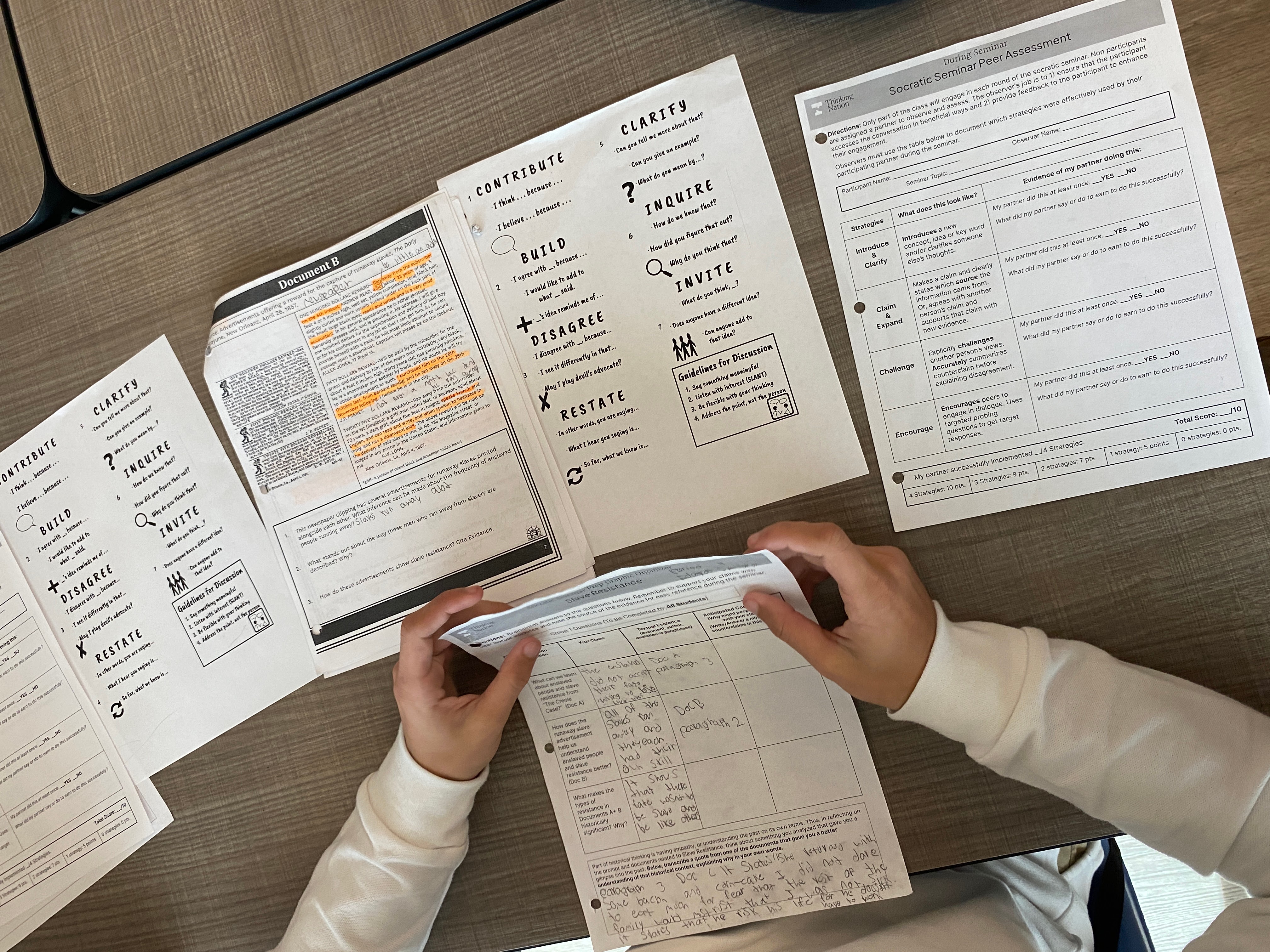
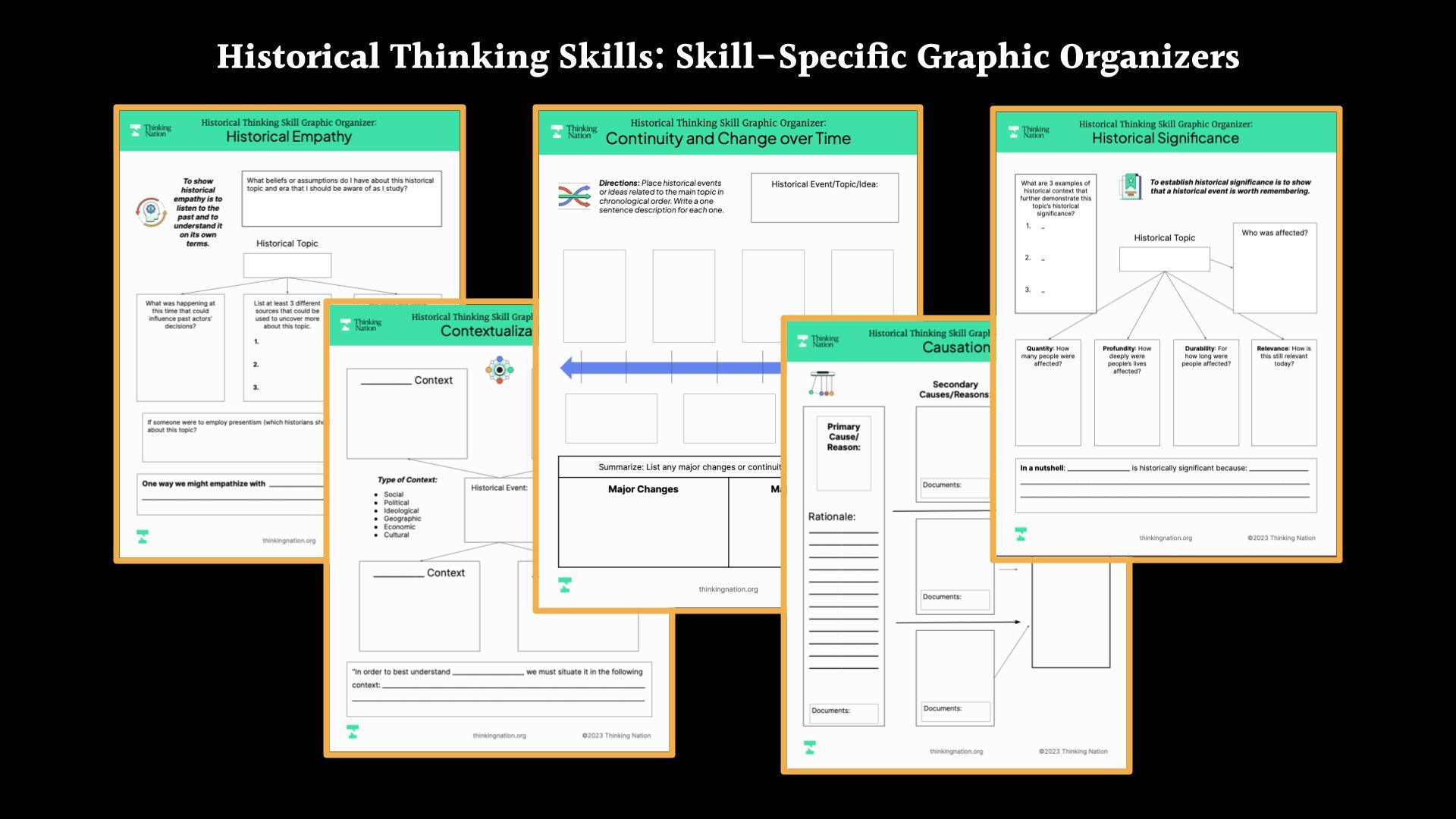
If our students have all the freedom to explore what they want but no structure to do so in an enriching way, they become paralyzed by choice or, worse, beholden to algorithms to do their thinking for them. This is where the discipline of history is so helpful. We make the implicit skills and dispositions of academic integrity explicit for students. They learn to contextualize, they can define historical significance and have a path to uncover it, they can wrestle with the complex causes of any given moment, and they can evaluate evidence with a critical lens. They argue well and express their thinking in coherent ways. These structures don’t limit their agency; they fuel it.
In the spirit of student-centeredness, we hope you try out this free lesson that asks students to internalize the historical thinking skill of contextualization and then apply it to themselves. It might be a fun way to personalize some of their learning in these final weeks of the school year or perhaps an after-testing activity. Maybe you’ll want to bookmark it to try with students in the fall as a foundational activity to a discipline- and student-centered school year in 2026-27. In any way, we hope it is helpful.
Perhaps it's as simple of a summary as saying that a student-centered classroom is a thinking classroom. Let’s make thinking the minimum.

Post a comment